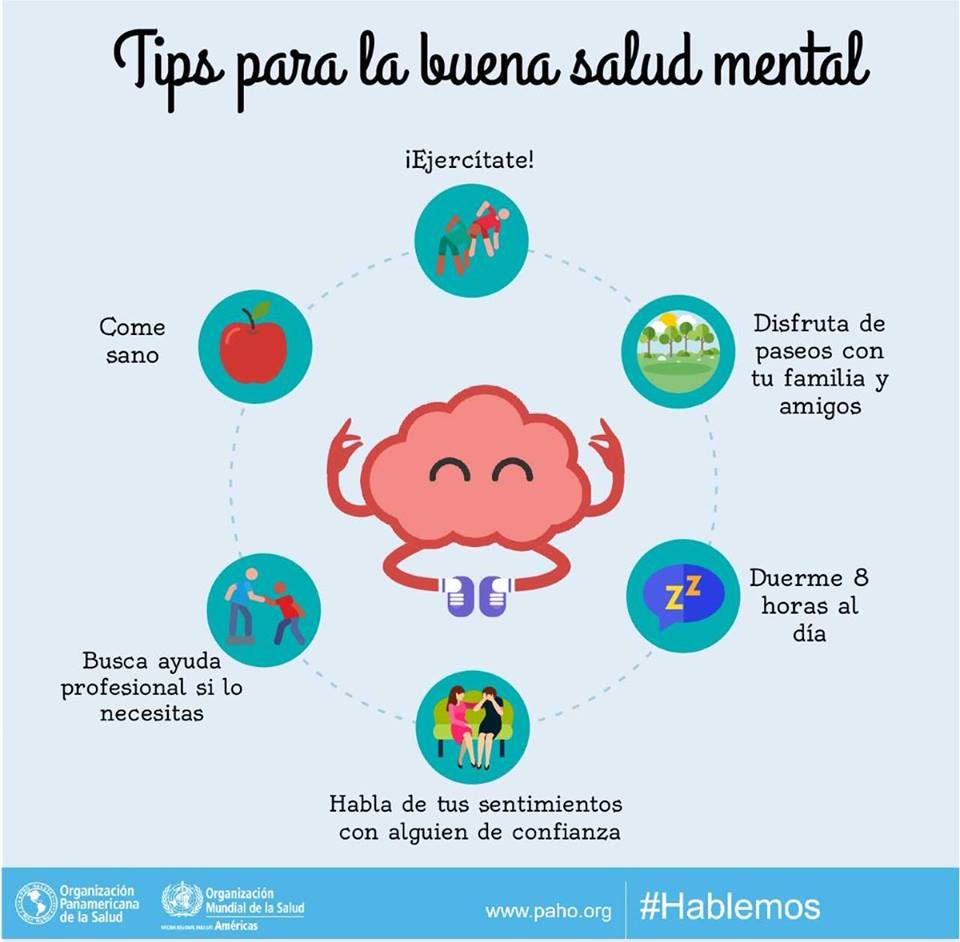
- Stay informed : Listen to the advice and recommendations of the national and local authorities. Turn to reliable information sources, such as local and national television and radio, and keep up with the latest news from the World Health Organization on social media.
- Follow a
routine: Your daily
routines as much as possible or establish new routines.
ü Get up
and go to bed at a similar time each day.
ü Don't
neglect your personal hygiene.
ü Eat
healthy meals at set times.
ü Exercise
regularly.
ü Set
hours for work and rest.
ü Make
time to do things that you enjoy.
ü Try not
to be working all day
ü If you
feel very stressed, get away from everything and do what you like the most
like: listen to music, sleep, do yoga or other activities
- Social contact
is important: If your movements are restricted, keep in regular
contact with people around you by phone or internet.
- Avoid alcohol and drugs: Limit alcoholic beverages or avoid them altogether. Don't start drinking alcohol if you've never done it before. Avoid using alcohol and drugs to cope with fear, anxiety, boredom, or social isolation. There is no evidence that alcohol consumption protects against viral or other infections. In fact, the opposite is true, since alcohol abuse is associated with an increased risk of infections and a worse treatment outcome. Also, you should be aware that alcohol and drug use can prevent you from taking the proper precautions to protect against infection, such as proper hand hygiene.
- Control screen time: Be aware of the time you spend each day in front of a screen.
- Don't abuse video games: Although video games can be a way to relax, when you are at home for a long time you can be tempted to spend much more time than usual. Make sure to keep a proper balance with activities without electronic devices.
- Use social media appropriately: Use your social media accounts to promote positive and hopeful messages. Please correct any misinformation you see.
- Help others: If you can, offer to help other members of the community in need, for example to make purchases for them.
- Support healthcare professionals: Express your appreciation on social media or in your community to healthcare professionals in your country and to everyone working to respond to COVID-19.

No hay comentarios:
Publicar un comentario